

About 35 people came out to enjoy the opening of Aquaculture, the new exhibit at the Thousand Islands History Museum in Gananoque. Lorraine Payette/for Postmedia Network 
About 35 people came out to enjoy the opening of Aquaculture, the new exhibit at the Thousand Islands History Museum in Gananoque. Lorraine Payette/for Postmedia Network 
LoA colourful selection of fishing lures is on display as part of Aquaculture, the new exhibit at the Thousand Islands History Museum in Gananoque. rraine Payette/for Postmedia Network 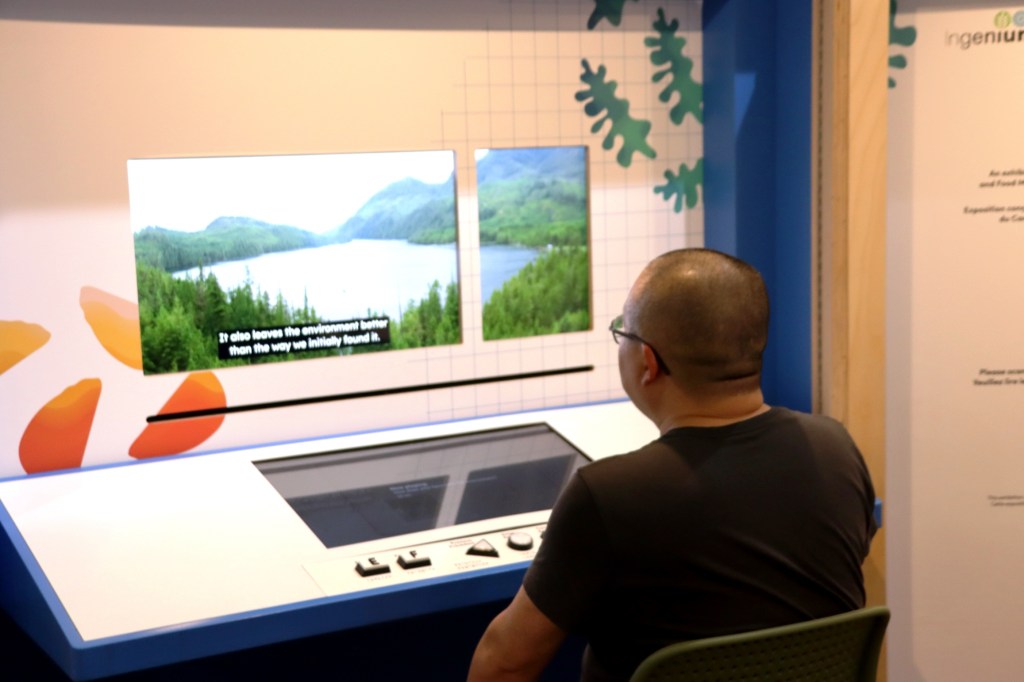
Numerous interactive displays are part of Aquaculture, the new exhibit at the Thousand Islands History Museum in Gananoque. Lorraine Payette/for Postmedia Network 
Different types of fishng equipment are on display as part of Aquaculture, the new exhibit at the Thousand Islands History Museum in Gananoque. Lorraine Payette/for Postmedia Network 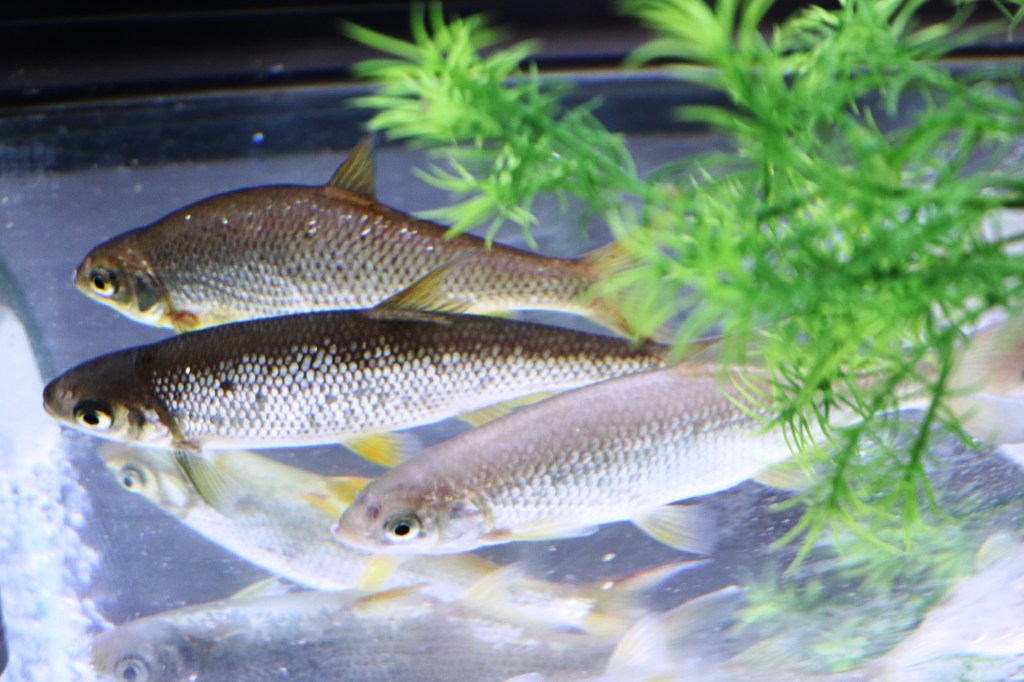
Live fish in a tank are part of Aquaculture, the new exhibit at the Thousand Islands History Museum in Gananoque. Lorraine Payette/for Postmedia Network 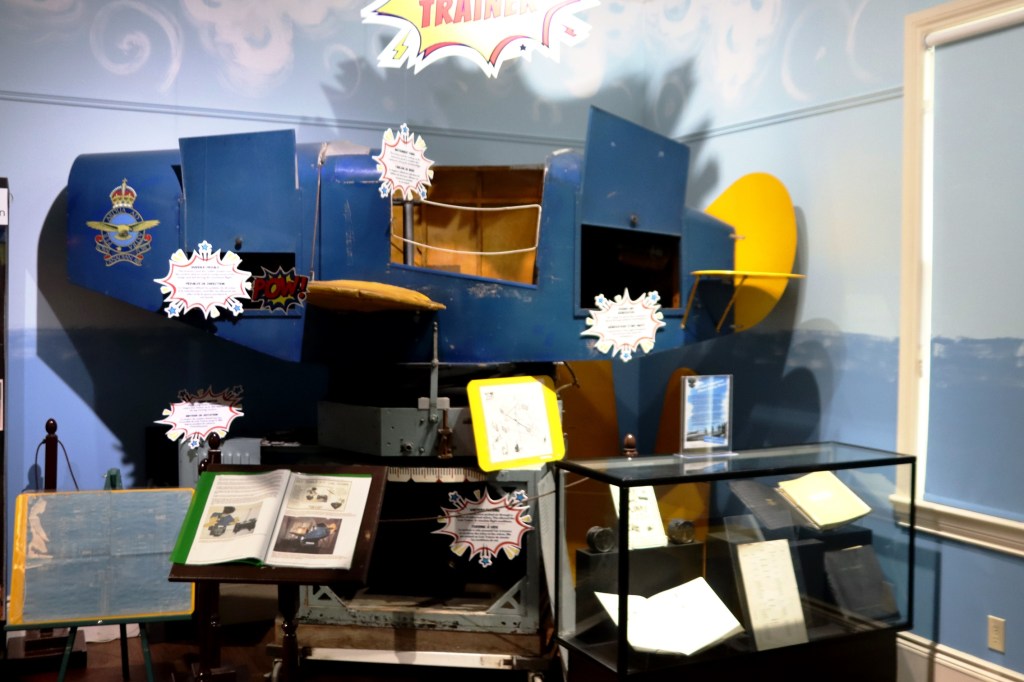
The Link Trainer is one of the displays currently at the Thousand Islands History Museum in Gananoque. Lorraine Payette/for Postmedia Network 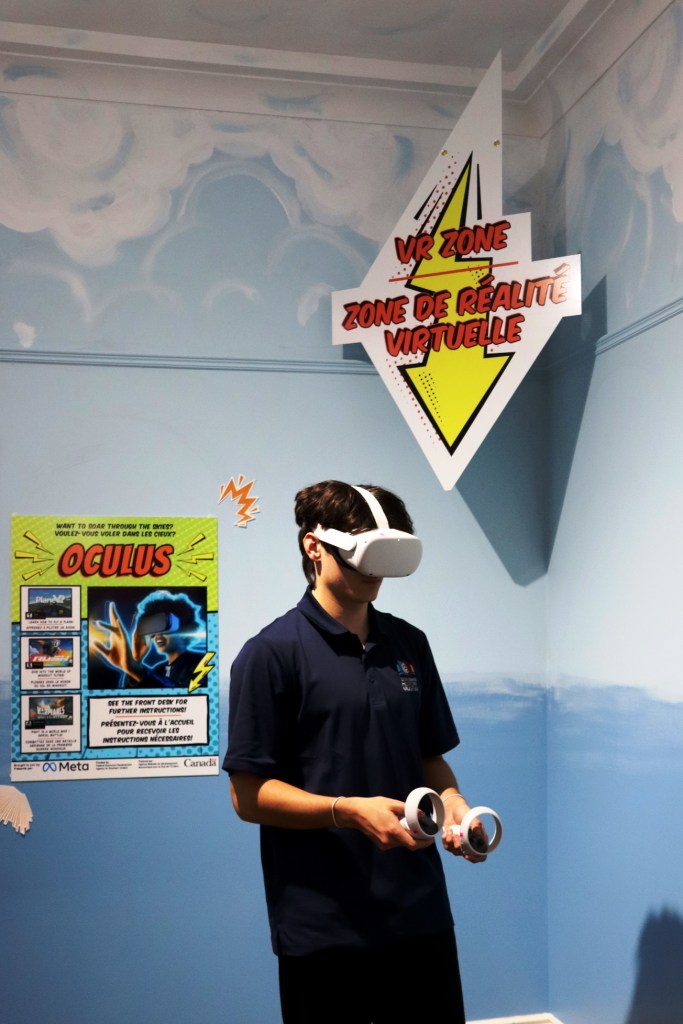
The virtual reality program Oculus gives visitors a chance to experience flight at the Thousand Islands History Museum in Gananoque. Lorraine Payette/for Postmedia Network
(Gananoque, ON June 20, 2024) The Thousand Islands History Museum in Gananoque opened its latest exhibit to the public on June 20. About 35 people came out to explore the new exhibit and get an idea of just what the subject is about.
“Our latest exhibit is Aquaculture: Farming the Waters, a travelling exhibit from Ingenium,” said Joanne van Dreumel, executive director of the museum. “We are excited to launch this new exhibition, which explores the world of aquaculture – the farming of fish, shellfish, and seaweed in oceans, lakes, and on land. Have you ever wondered how Canadian farmers produce seafood – not only on Canada’s coasts, but across the country? This colourful travelling exhibition from Ingenium is accessible, tactile, peppered with games and interactive materials, and will engage visitors of all ages. Come discover how Indigenous peoples have practiced aquaculture over millennia and explore how it has evolved in Canada.”
The exhibit looks not only at the history of aquaculture, but at its uses and what can be expected in the future.
“Audiences of all backgrounds and abilities will learn and experience something new from this exhibition,” said van Dreumel. “Visitors can follow along with the audio tour to learn even more about aquaculture. This tour is accessible for visually-impaired visitors, and contains visual descriptions and navigation instructions.”
Visitors can get the chance to see a wide range of equipment used in the industry, play different games, and even enjoy watching a tank of live fish.
“The Museum has added supplementary content to this exhibit, to present a local Gananoque and Thousand Islands perspective on the importance of the St. Lawrence as a food source for generations,” said van Dreumel. “We invite guest to come in to see fascinating objects and images from the Town of Gananoque Civic Collections, and read stories taken from the past as we look to the future.”
Also on display is a Link Trainer, created by Edward A. Link, and manufactured in Gananoque. These trainers were used to prepare pilots to fly under all kinds of conditions and return them safely back to base. Unlike modern equipment, these tiny boxlike units were operated manually and gave the best simulation of flight possible at the time.
“Before and during WWII, Britain had restrictions on buying war goods from non-Commonwealth countries,” says the site www.vintagewings.ca/stories/a-link-to-victory. “Link realized that business would only increase if he had a plant in Canada. He owned an island east of Gananoque …Perch Island, and frequently flew from Binghamton in his amphibious plane to his cottage. As he always checked in with Customs and Immigration at Gananoque, he got to know the collector of Customs, Ken Mullins. One day he asked Mullins if he knew of a location where he could manufacture Link Trainers, and who he could recommend as its manager. Mullins suggested Keith Taylor and in 1938, the first Link Trainer was built in what became known as the ‘Link Plant’, later known as the ‘Cliffe Craft Boat Buildings’ and now vacant. Over 5,000 Link Trainers were built in Gananoque and with over 200 employees it was one of the town’s most-important businesses.”
Perhaps drawing the most interest at the opening was the Oculus virtual reality unit which allows visitors to get the feeling of flight without ever leaving the ground. Options include learning to fly a plane, wingsuit flying, and fighting in a WWI aerial battle.
“The Thousand Islands History Museum acknowledges the support from the Government of Canada in bringing this quality bilingual exhibition to Gananoque,” said van Dreumel. “We also would not be able to excel in our services without the support from the Town of Gananoque and our members and donors.”
 A Fresh News Start